Oil prices have soared, and global bond markets have weakened
Geopolitical risks in the Middle East have pushed up international oil prices, and the yields of major global government bonds have reached multi-year highs. Expectations for interest rate hikes have also intensified.
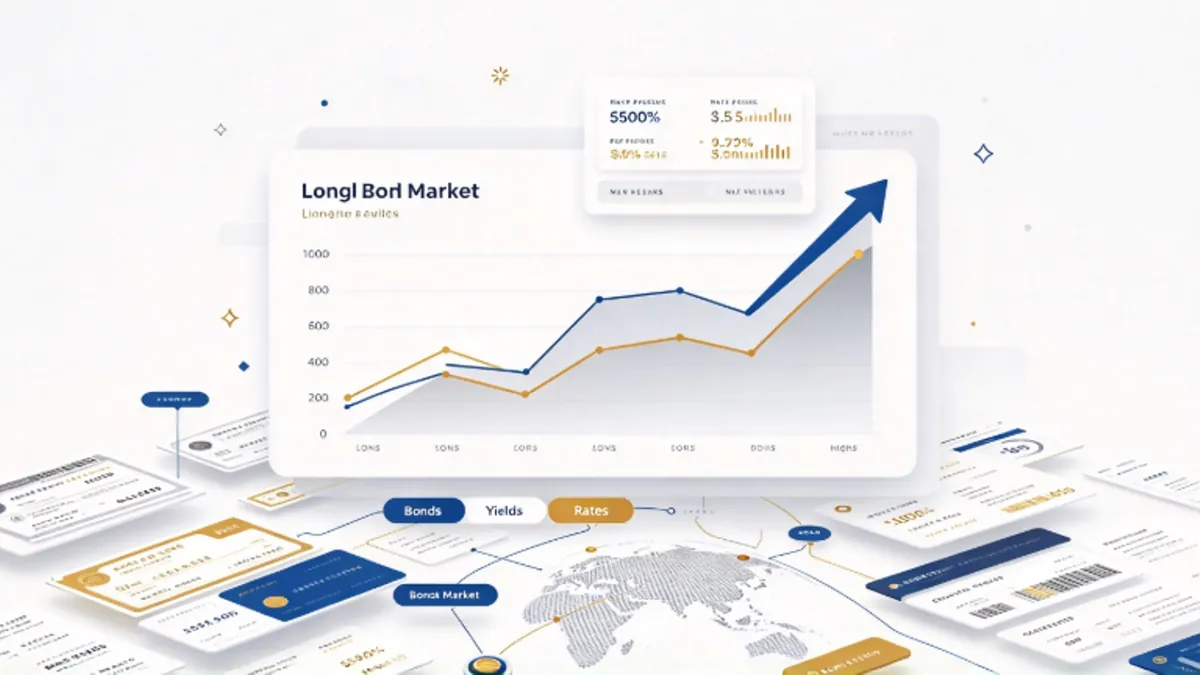
Global bond markets have been softer with long-term yields at multiyear highs.
The global bond market has undergone a large-scale adjustment, with yields on government bonds of various economies rising, and bond prices generally falling. The yield on the 10-year U.S. Treasury rose to 5%, hitting the highest level since 2007. The European bond market followed suit and adjusted, with the yield on German government bonds exceeding 3.56%, reaching the highest level in 17 years.
This round of bond market sell-off stems from two pressures. On one hand, the tense situation in the Middle East, the sharp rebound in oil prices, and the rising inflation risks have made the market no longer believe in the logic of inflation's decline. On the other hand, the market's concerns about the long-term fiscal sustainability of various countries have intensified, thereby reducing the attractiveness of government bond assets. The expectations of the Federal Reserve's monetary policy are a key driver. The market generally predicts that the Federal Reserve will raise interest rates by at least 25 basis points at this meeting.
Energy inflation pressure returns.
The price of crude oil has ended its soaring trend, with Brent crude reaching $108 per barrel. This round of oil price increase was entirely driven by the escalation of regional conflicts in the Middle East, with concentrated supply chain risks emerging. The Houthi militants launched a new round of attacks on Saudi oil and gas facilities, while disrupting the shipping channels in the Red Sea. Additionally, Iran imposed restrictions on passage through the Strait of Hormuz, blocking the key global crude oil transportation routes.
Over half of global crude oil trade relies on the Middle East routes and the Strait of Hormuz. The channel restrictions directly triggered market supply panic. Energy trading pushed oil prices to rise rapidly. The prices of refined oil products such as gasoline and diesel rose across the board. The market trading logic shifted from "inflation cooling" to "re-inflation risk".
Global stock markets generally closed lower.
Under the double pressure of high interest rates and high oil prices, major stock indices continued the downward trend from the previous trading day. The three major U.S. stock indices all closed lower. The Dow Jones Index dropped by 0.63%, the S&P 500 Index fell by 0.45%, and the Nasdaq Index dropped by 0.78%. The decline in technology stocks was more pronounced. The pan-Euro Stoxx 600 Index dropped by 0.28%, reaching its lowest point since mid-June.
Global major asset classes moved downward in tandem. The MSCI global stock index as a whole fell by 0.5%. The consumer and utility sectors led the decline in the market. These sectors are highly sensitive to interest rates, and rising yields compress the valuation space of enterprises. Only the energy sector rose against the trend, becoming the only profitable sector in the entire market. The sharp increase in oil prices directly benefits the revenue and profits of oil and gas companies.
Interest rate hikes have become a necessity for the market.
In the last quarter, earnings growth for U.S. stocks reached as high as 30%. But the rise of commodity prices triggered by geopolitical conflicts shattered the easing expectation of the market, and became the core variable to suppress the stock market. The Federal Reserve has to raise interest rates at this meeting. If the Federal Reserve maintains the interest rate unchanged and continues to adopt a wait-and-see attitude, the bond market will immediately experience a selling-off trend, further pushing up yields and triggering broader market fluctuations.
This round of monetary policy tightening is not unique to the United States. Central banks around the world have all entered a tightening cycle. The market largely expects the Bank of Japan to hike rates by 25 basis points at its next meeting, taking the rate to 1.25%. The yen earlier fell to a 40-year low. Higher interest rates would reduce the Japan-U.S. interest rate differential, stabilize the yen exchange rate and ease the input inflation pressure by tightening monetary policy.