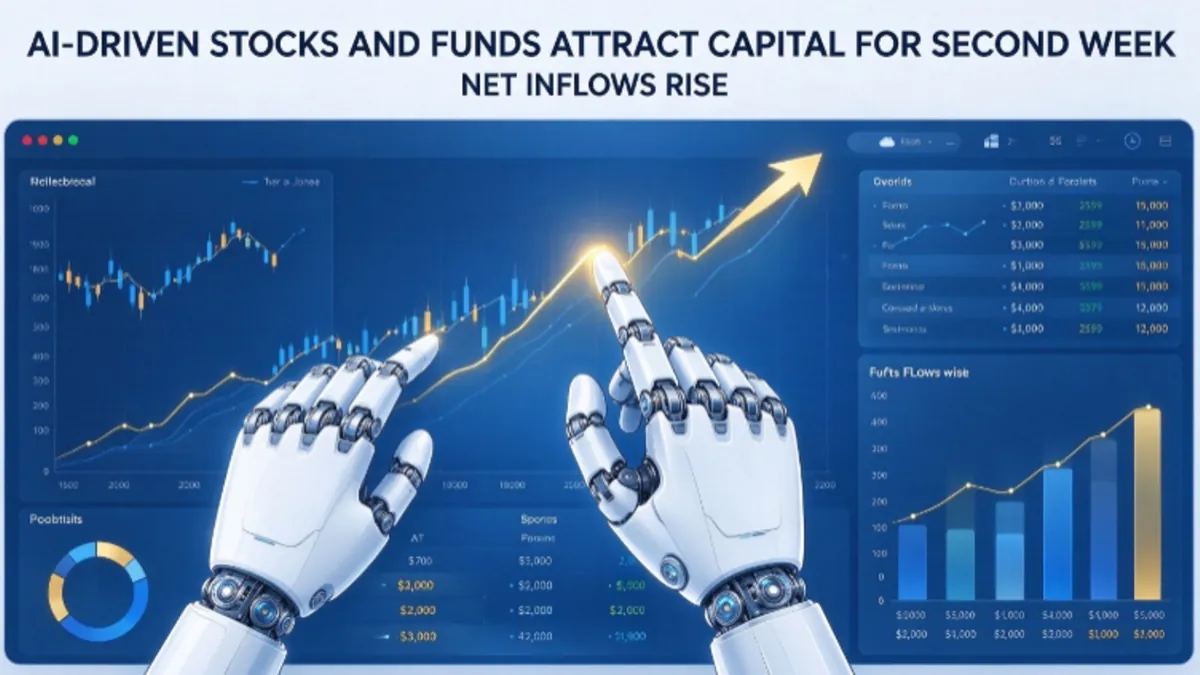
AI boosts bottoming out, stocks and funds attract capital for the second consecutive week
On October 2nd, US equity funds saw a net inflow for the second consecutive week.
Latest articles in this category
On October 2nd, US equity funds saw a net inflow for the second consecutive week.
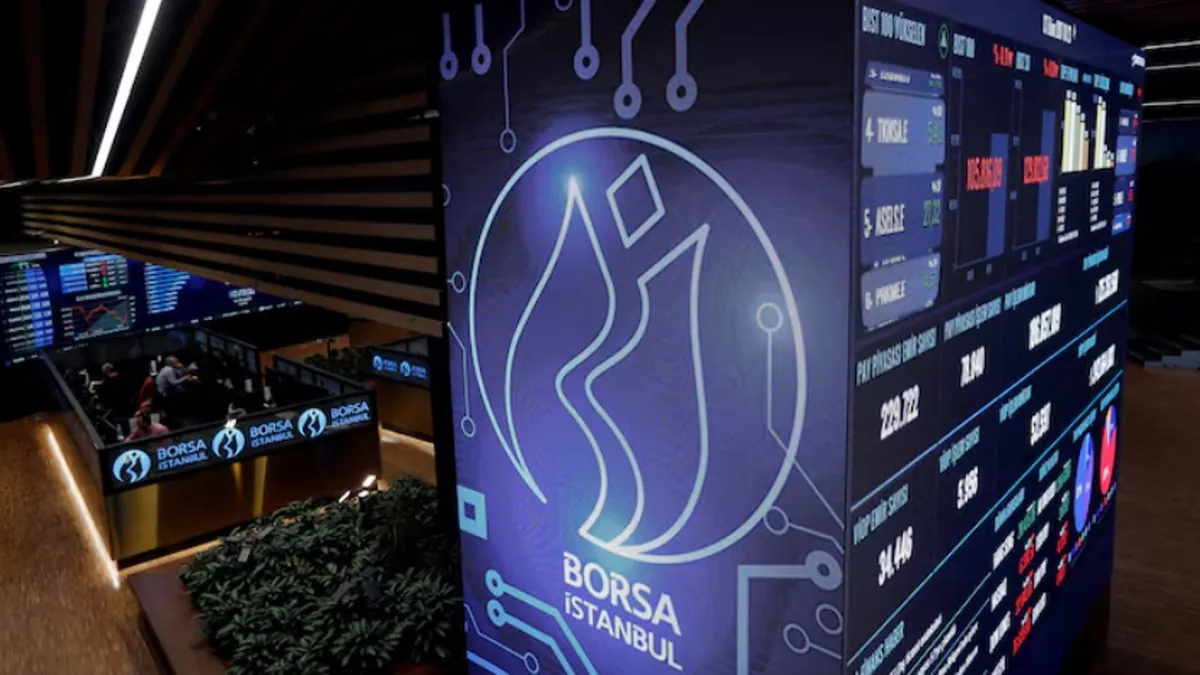
Turkish regulatory authorities ordered the liquidation of 131 troubled funds, and the crisis's resolution deflated the asset bubble. Nearly 500,000 investors were involved in this turmoil in the asset management industry.
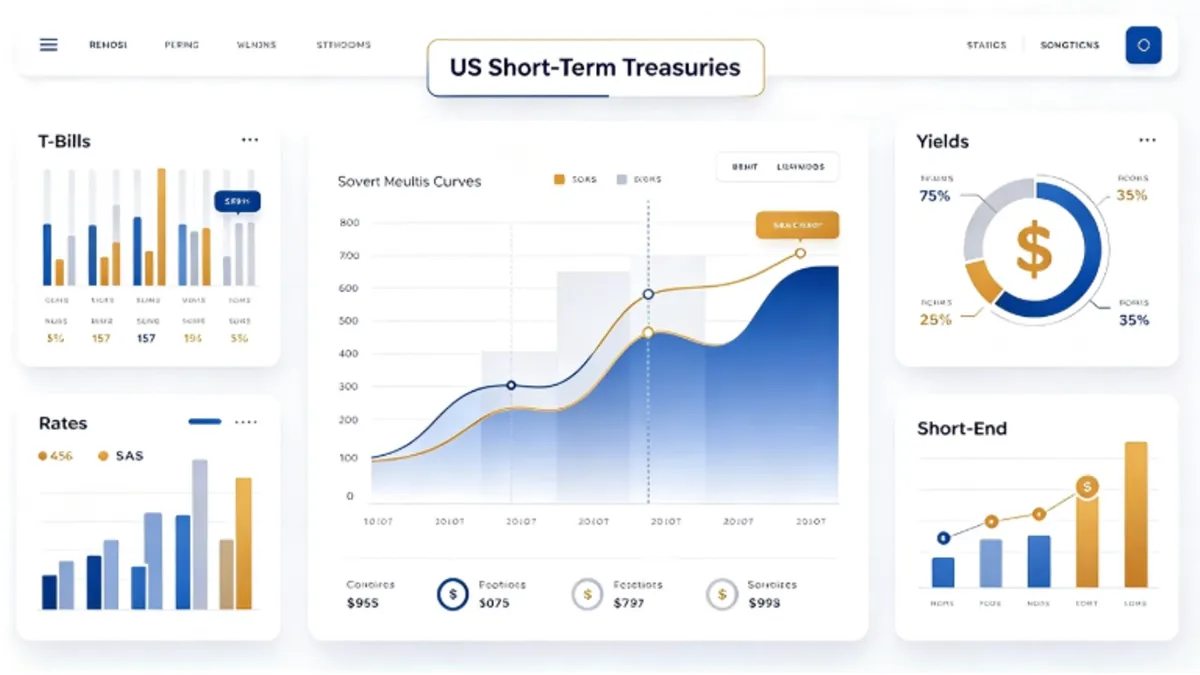
This year, the inflow of funds into US money market funds has largely slowed down. The demand for short-term treasury bonds has weakened, and the yield has risen. The uncertainty in the short-term financing market has increased.

The yield on the 10-year US Treasury note, which acts as a global financial risk warning level, has gone above 5%. Now investors are watching to see if it will hit 6%.
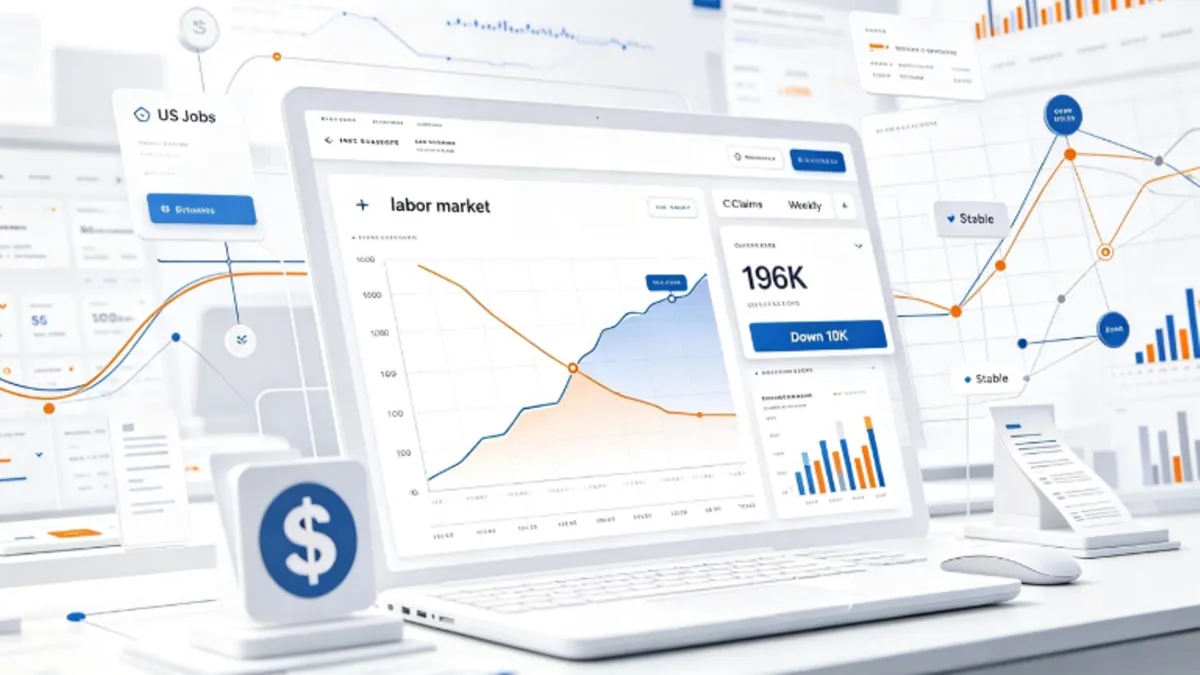
The overall labor market in the U.S. is stable. Short-term data is distorted due to the holiday season. The Federal Reserve's interest rate hikes and the soaring mortgage rates have put pressure on the housing market.
Eurozone does not see any signs of second-round inflation at the moment, ECB policymaker Rehn said. Markets are beginning to re-price the path of monetary policy in the Eurozone.
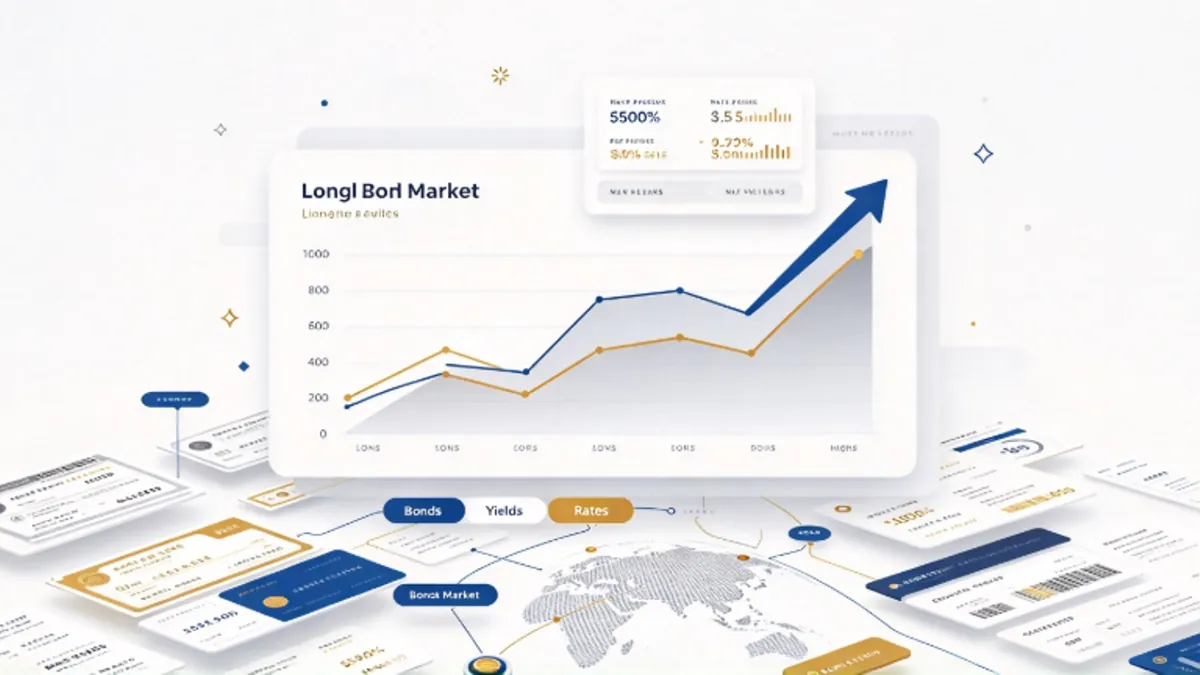
Geopolitical risks in the Middle East have pushed up international oil prices, and the yields of major global government bonds have reached multi-year highs. Expectations for interest rate hikes have also intensified.

The first phase of the reform in air traffic control in the United States has a large funding gap, and the project cost has been grossly underestimated. There have been repeated overruns and delays in the past.

India's retail inflation rose slightly higher than expected in August. The upward pressure on prices spread from food and fuel to all categories. Market participants have raised the probability of the central bank raising interest rates in October.
The rising inflation data in the United States has raised expectations for an interest rate hike. Several international investment banks have adjusted their judgments, and funds are re-pricing the trends of U.S. treasuries and interest rates.
Novartis' promising drug failed clinical tests and this resulted in a sharp fall in the company's stock price. Investors are now wondering if the company's big buyout deals are worth it. Shareholders also want better risk checks for such acquisitions.