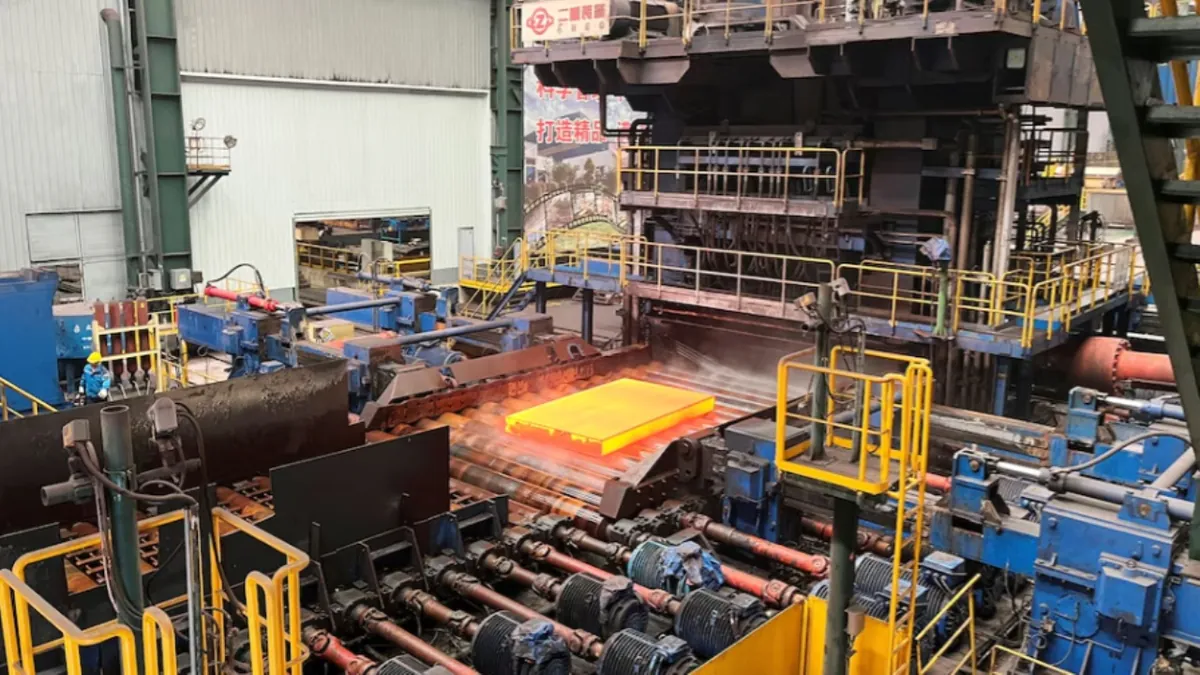
The OECD has introduced a new framework for regulating steel production capacity, in addition to the upgraded trade constraints by the G20. The global steel trade has changed.
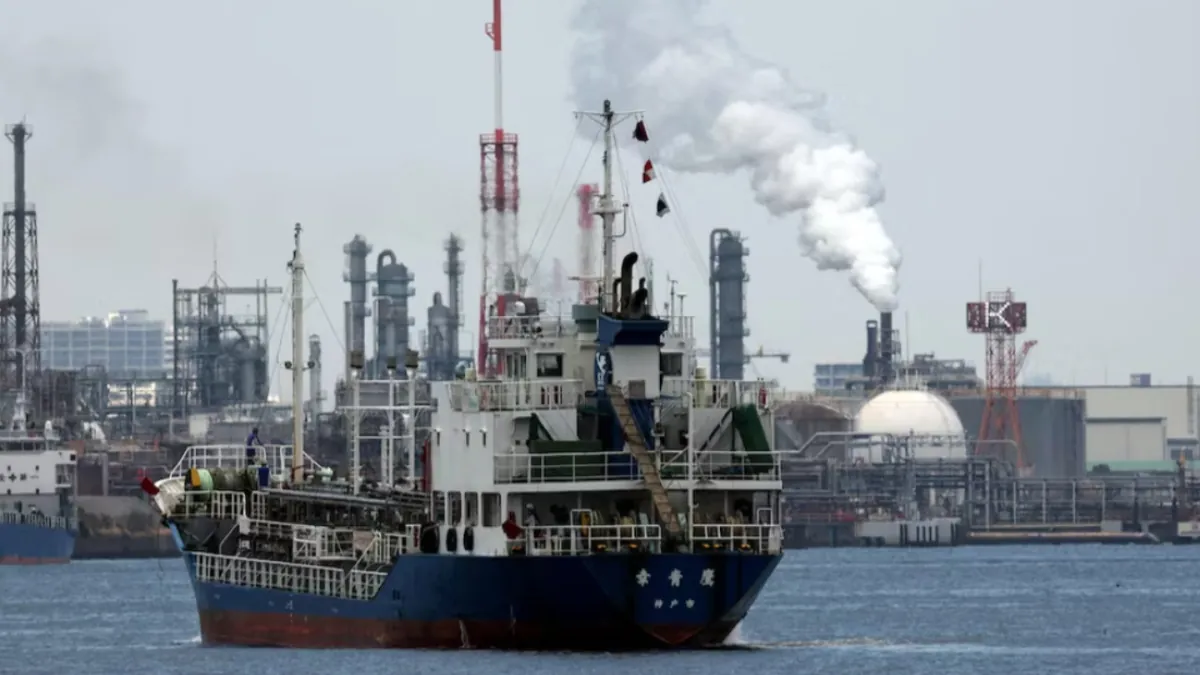
Oil prices have fallen sharply due to increased crude exports from the Middle East. However, geopolitical risks are there and oil price keeps rising month after month.
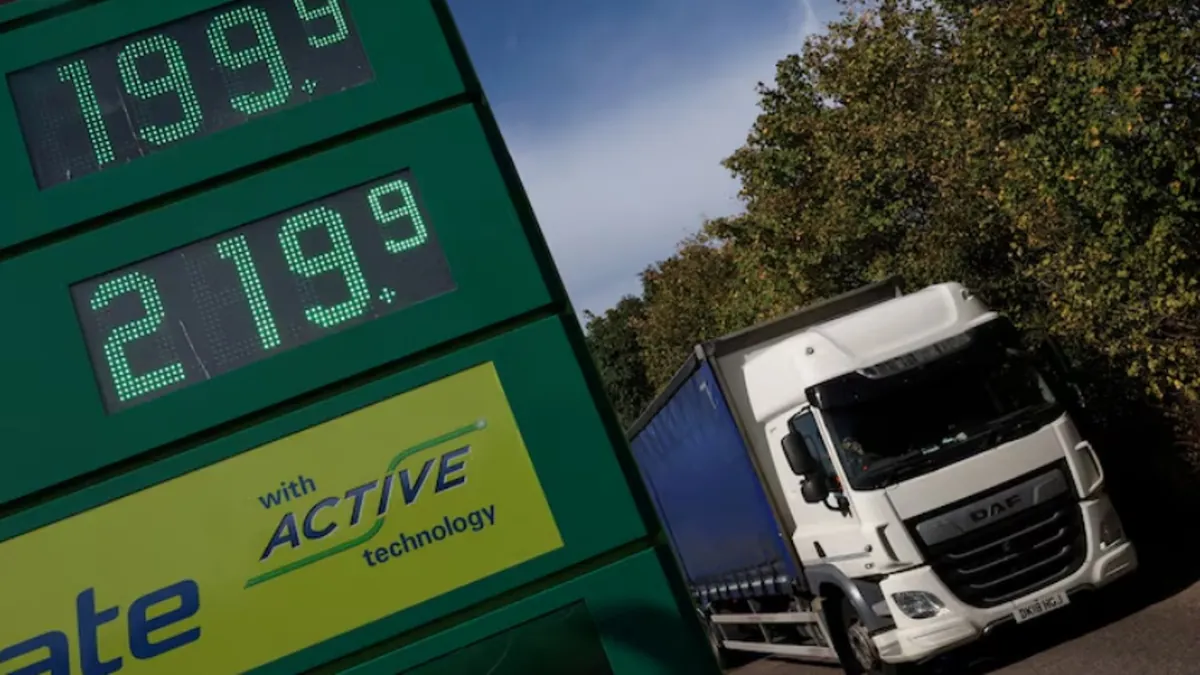
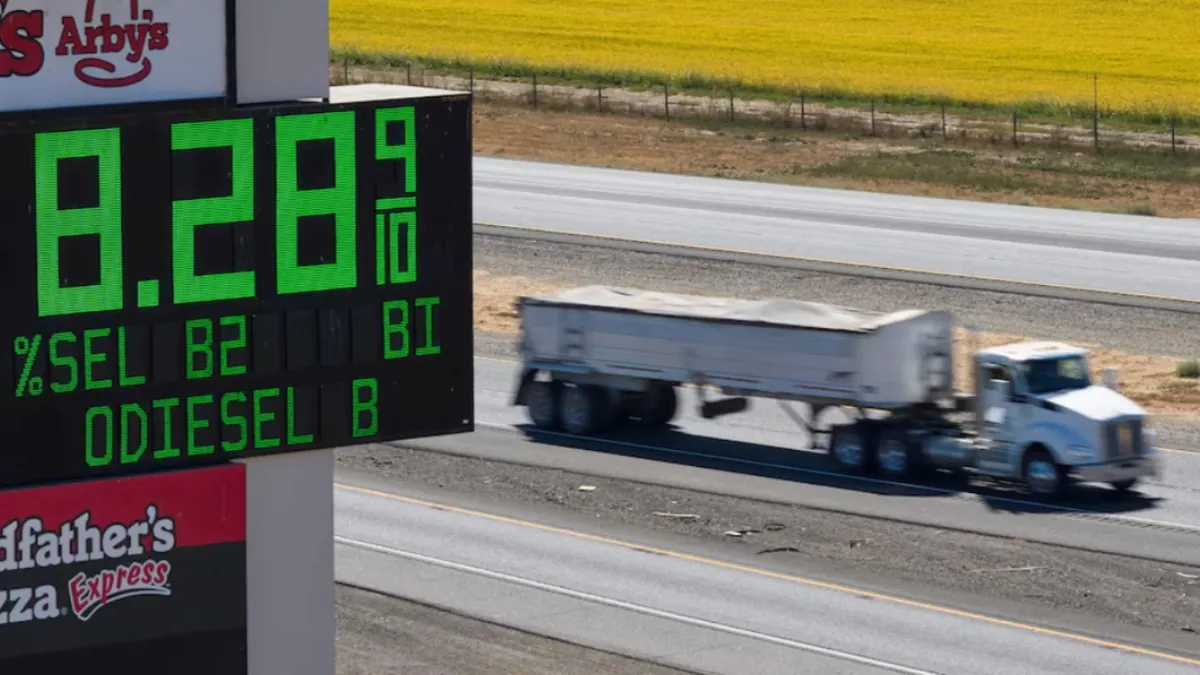
The United States is about to implement lenient fuel regulations, reducing the energy-saving requirements for automakers. As a result, the long-term demand for automotive fuel is expected to rise.
Heavy rain has kept falling in US soybean growing regions. It has caused shortages in the spot market and held up soybean harvest work. Buyers at processing plants have to pay extra to get soybeans.
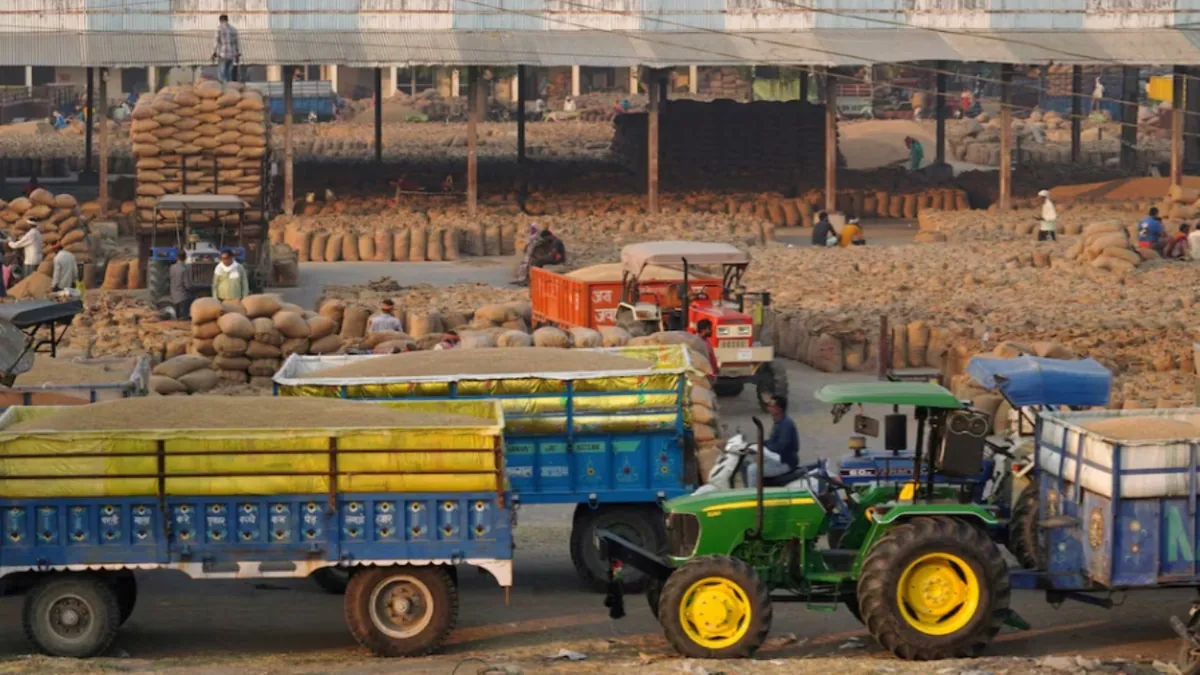
The country's rice production has suffered its biggest fall in two decades due to irregular monsoon conditions. The contraction in the supply side is beneficial for rice prices.
US Treasury yields have surpassed the critical level, while crude oil futures have risen sharply. Expectations of interest rate hikes have soared. Major US stock index futures have collectively closed lower.
The collective strikes in multiple industries in France were in protest against fiscal austerity, restricting the operation of energy facilities. The domestic gas and electricity supply was disrupted.
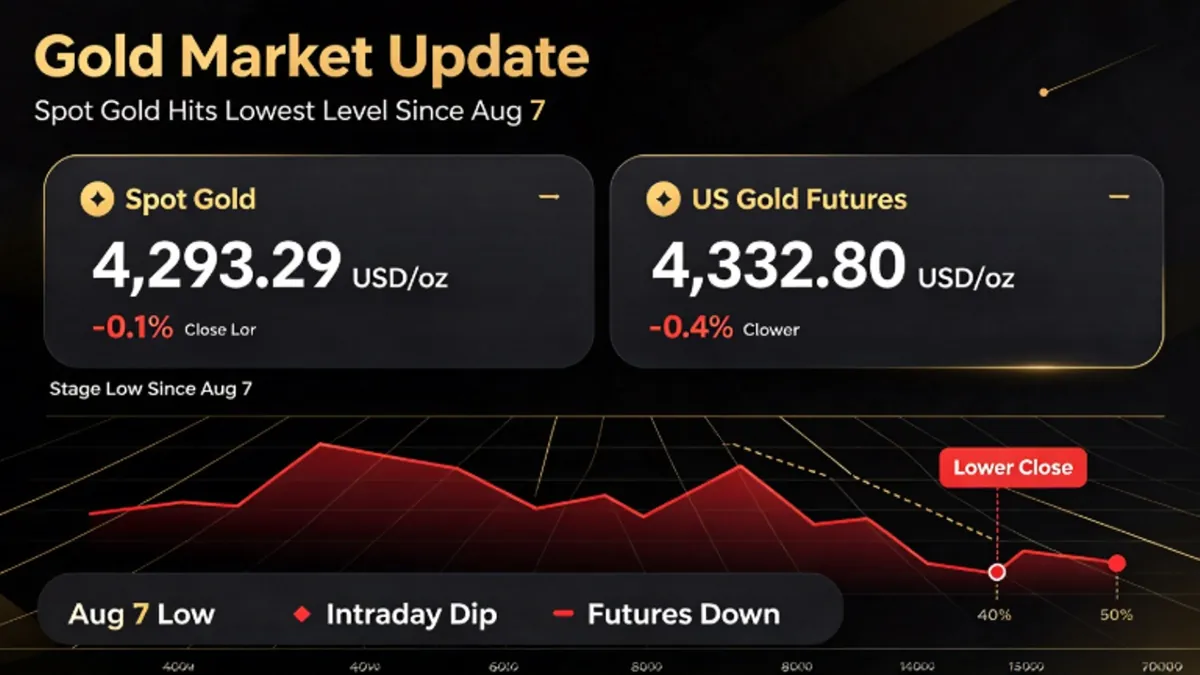
The sharp increase in international oil prices has raised concerns about inflation, and the yield of US Treasuries has reached a new high in many years, with expectations of interest rate hikes on the rise. As a result, gold futures have fallen under pressure.
We use cookies and similar technologies to keep this site working, measure performance and support advertising. By continuing to use this site, you agree to our use of cookies. See our Privacy Policy.