AI demands are consuming excessive production capacity, and there is a shortage warning for memory
Executives from Samsung and Micron have publicly warned that the global memory supply-demand gap will persist until 2028. The high demand for AI is squeezing production capacity, and the rising prices of consumer-grade hardware is a foregone conclusion.
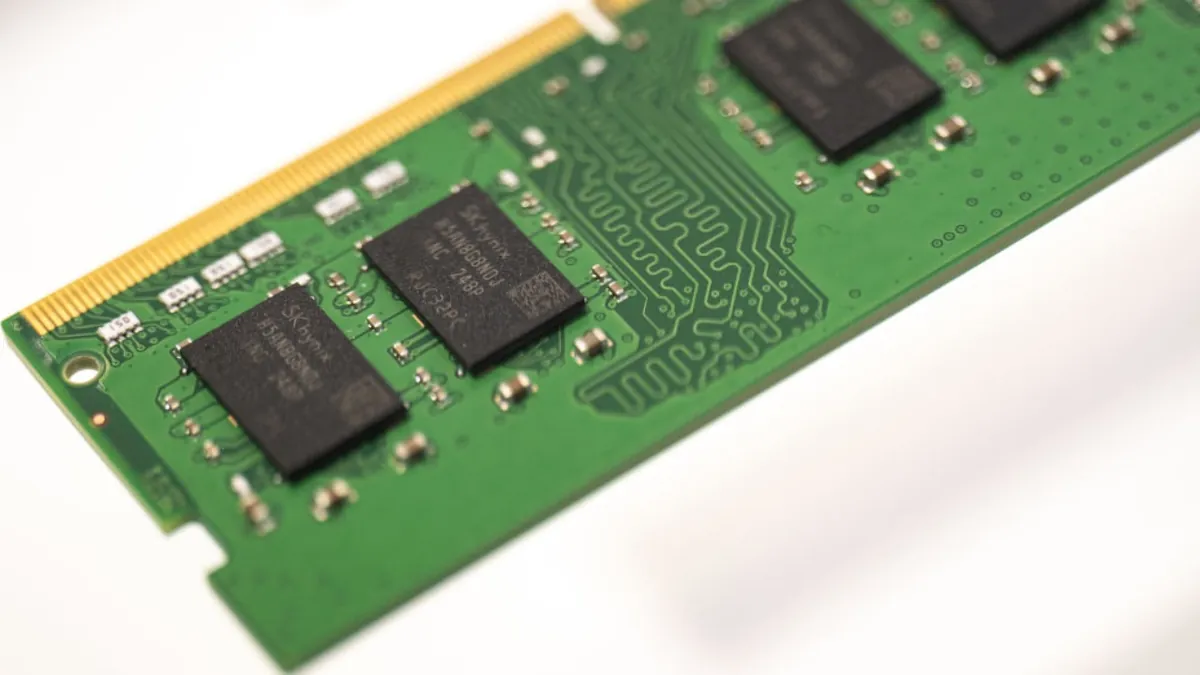
The two major players have reached a consensus that the shortage of memory is not a short-term fluctuation.
This week, the two leading players in the storage industry, Micron and Samsung, issued statements separately, clearly stating that the current situation of insufficient supply of memory will not be alleviated quickly and the shortage will last at least until 2028. The CEO of Micron stated at an investor communication meeting that in the next few years, the market demand for enterprise-level high-end memory will exceed the overall supply capacity of the industry. The supply-demand relationship in the entire storage market is tightening year by year, and there is no possibility of a short-term recovery.
Many users mistakenly believed that building new factories and expanding production capacity could quickly solve the shortage problem. But he told a different industry truth. Micron will build a new dust-free memory production workshop in 2028. Even if the new plant is commissioned on time, it will not be able to fill the market gap immediately. After the new production line is put into operation, it will need to go through several stages such as trial production, debugging and ramping up, and its production capacity can only be gradually increased and not immediately reach full capacity. The new manufacturing process also will reduce the output per wafer, adding to supply pressures.
AI is about consuming consumer resources.
Today, the global wafer manufacturing capacity is no longer primarily dedicated to consumer products such as mobile phones and computers. The overwhelming majority of high-quality resources have been poured into high-end HBM memory for AI servers and data centers. This year only 20% of the wafer production capacity in the industry was used to manufacture HBM memory. That share will rise to 30% by 2027. Much of the capacity is taken up by the production capacity of high-end AI memory, leaving less room for producing ordinary consumer-grade DRAM memory.
Micron is seeing much greater demand for HBM orders than for traditional DRAM memory. The demand for high-performance memory is ravenous, fueled by AI model training and cloud computing deployment. The imbalance between supply and demand has directly led to an order explosion. Micron disclosed that the production volume of enterprise-grade memory in 2027 has already sold 75%, and most of the cooperation orders have been scheduled until 2028. Moreover, the contracted price for HBM products in 2027 is significantly higher than that in 2026, and the price increase for high-end memory has become the norm.
Micron completely exits the consumer market.
Micron announced it would be shutting down its Crucial consumer-grade memory brand and exiting the mainstream consumer memory market in December 2025. But the AI-driven enterprise memory business has grown faster and proven more profitable than the highly competitive, low-profit consumer market. Consumers have totally lost the option of high quality factory supplied consumer memory at an affordable price. Crucial memory modules used to be the mainstream choice for DIY builds and computer upgrades due to their stable quality and affordable prices. After their discontinuation, the market supply further decreased.
This seemingly distant contradiction between the supply and demand of enterprise-level memory has actually affected every ordinary consumer. The procurement costs of major computer OEM manufacturers have significantly increased. To control the overall price of the devices and maintain profits, new brand models generally experience "price hikes and configuration reductions". New models at the same price have lower memory capacity than the old ones. This impact is not limited to desktops and laptops. All kinds of smart devices require DRAM memory. The shortage of memory in the entire industry has led to continuous increases in terminal prices.
Supply and demand balance will not be achieved before 2028.
This memory shortage is not a temporary phenomenon but an industry norm for the next two years. On one hand, the expansion speed of the AI industry is accelerating, and the demand for high-end memory will only increase year by year, not decrease. On the other hand, there are inherent bottlenecks in the capacity improvement process. Coupled with the capacity loss caused by process upgrades, the tight supply of memory in the next three years is unlikely to be alleviated. Consumers will have difficulty purchasing high-performance digital devices with large memory capacities during the period from 2026 to 2028, and hardware upgrades will require higher costs.