The core inter-device linkage feature of Googlebook is incompatible with Samsung devices
The brand-new high-end laptop Googlebook, which was officially launched, featured a cross-device linkage function. However, this feature initially failed. All Samsung Android phones are currently incompatible, while only the Pixel models can be fully compatible.
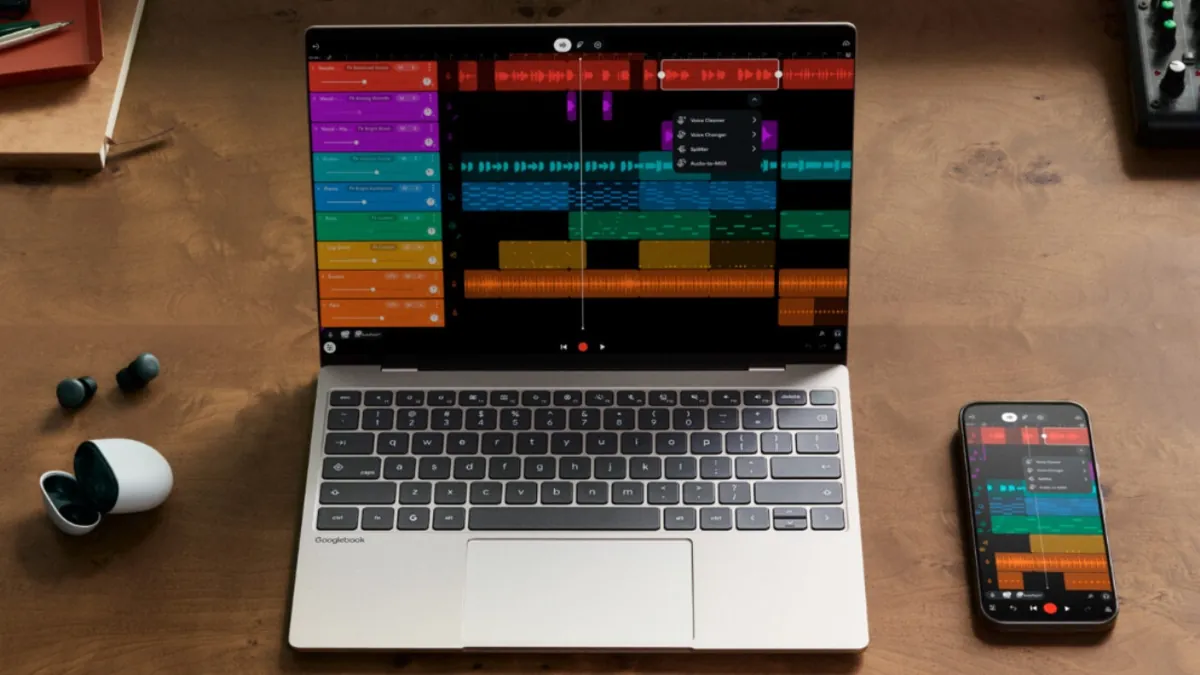
Cross-device interconnection becomes the core selling point of Googlebook.
In recent years, the competition in the high-end notebook market has become increasingly fierce. Google has entered the PC sector and launched the new Googlebook series. Different from traditional notebooks that focus on performance and appearance, the core competitiveness of Googlebook lies in the deep interconnection experience with Android phones.
In the press conference and promotional materials, Google officials emphasized that this new model is mainly about "seamless interconnection with Android phones". Users do not need complex settings to achieve device interconnection and improve work and daily usage efficiency. This interconnection function was named "Better Together" by Google and is also a key step in Google's layout of the global device ecosystem.
Google has set the basic compatibility threshold. To unlock all interconnection functions, the phone must be equipped with the latest Android 17 system. Originally, users thought that as long as the system version met the requirements, it could be used normally. However, the actual experience was not like that. The new model exposed serious compatibility flaws at its launch.
Not even the newest flagship models from Samsung are compatible.
As the world's largest maker of Android phones, Samsung will likely support Google's new features on its new flagship models. Many Samsung users purchased Googlebook because of the cross-device integration experience. However, the first batch of buyers found that the compatibility completely failed. Even Samsung's latest Z Fold 8 flagship model, which already has the Android 17 system, cannot enable the Better Together function.
A large number of users joked about this issue on social media, and then the Google official confirmed this situation. The official confirmed that currently, all Samsung phones, whether flagship or mid-range models, temporarily do not support the full set of Googlebook's integration functions. Google's solution is to wait for an update. The relevant compatibility patches will be pushed out gradually in the coming weeks. And even if the patches are available, only Samsung models with Android 17 upgraded can use them.
The update progress of the Android camp varies greatly.
Among the major Android manufacturers, Samsung's system update support has already reached the first tier. Even so, it still failed to keep up with the adaptation pace of Google's new features. The situation for other brands is even worse. Motorola's new model to be launched in 2026 comes with the Android 16 system. As of now, it has not yet pushed out the official update of Android 17. OnePlus recently contracted its overseas business and has significantly slowed down the system update pace. The Android 17 system is still in the testing stage and has not been officially pushed out.
Xiaomi has only pushed out the Android 17 update for some of its high-end flagship models. Most mainstream models are still stuck in the old version, and the Google PC ecosystem has not been fully adapted in Xiaomi's core market. All these factors combined have led to the situation where currently, the only Android phones that can fully adapt to the Googlebook linkage function are the Google's own Pixel series.
The new model's launch received poor reviews and the modular upgrade failed.
For Googlebook, the lack of compatibility during the launch was a fatal shortcoming at the very beginning. The core goal of Google in creating this notebook was to leverage the mature Android phone ecosystem to achieve differentiated competition. Google originally intended to attract a large number of Android users to upgrade by leveraging the cross-device linkage advantage. However, Samsung, as the world's largest Android device manufacturer with a huge user base, directly missed the launch and compatibility, directly discouraging a large number of potential consumers.
Google did not mention this limitation in the early promotion and obscured the compatibility conditions throughout the process, making many users mistakenly believe that all Android 17 models could be seamlessly used. At present, Googlebook is more like a customized device specifically for Pixel users. Google has long been aware of the fragmentation and slow update issues of Android. To address this industry pain point, Google began to adjust the system architecture and implement modular transformation many years ago.
Google separated a large number of system functions from the native system and maintained and updated them in Google Play Services. However, the Better Together function of Googlebook is one of the few exceptions. This cross-device linkage mechanism deeply binds the exclusive characteristics of the Android 17 system and the modular services can not replace it. Google's years of system optimization results have completely failed in the core cross-device ecosystem functions.