At the end of the month, the price of crude oil dropped, but the monthly upward trend remained unchanged
Oil prices have fallen sharply due to increased crude exports from the Middle East. However, geopolitical risks are there and oil price keeps rising month after month.
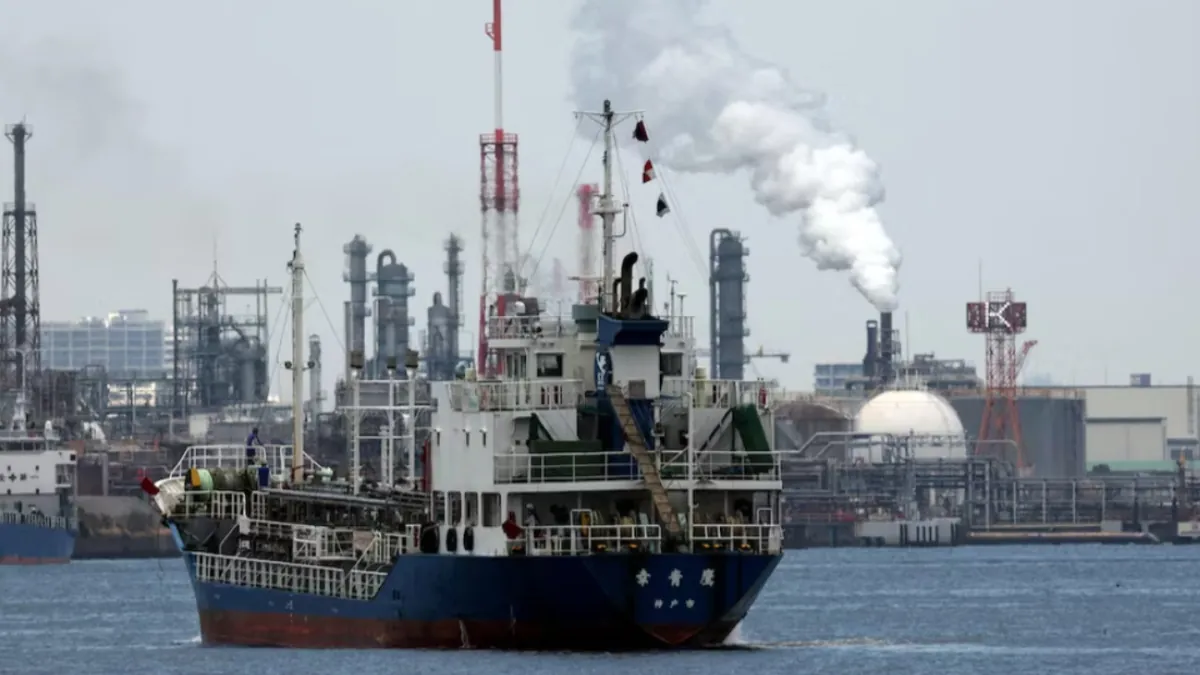
Crude oil futures fell as a group.
On Tuesday, the crude oil futures market as a whole weakened, with the two main contracts falling back. Brent crude oil futures closed down by 2.6% at $102.59 per barrel. WTI US crude oil futures suffered a greater decline, dropping by 3.5% on the day and closing at $89.38 per barrel. Previously, the market had been trading on the risk of supply disruption due to the war in the Middle East, and oil prices rose sharply. As regional export capacity was restored, the tension quickly eased.
Although the daily decline was significant, from a monthly perspective, Brent crude oil is still expected to achieve a substantial increase of around 14% in September. The premium brought about by the previous geopolitical conflicts has not completely disappeared. The monthly increase of WTI crude oil is relatively moderate. Investors are extremely sensitive to the supply data from the Middle East. Once the news of export recovery is confirmed, the market's concern about shortages immediately subsides.
Saudi Arabia resumes oil shipments, geopolitical negotiations expected to cool down.
Saudi Arabia has resumed oil shipping operations at the Red Sea Yanbu Port, and the flow of oil through the east-west pipeline has steadily increased. According to Kpler monitoring, in September, the crude oil exports of the oil-producing countries in the Middle East rebounded to 163.28 million barrels per day. This is the highest export level since the US-Iran conflict broke out at the end of February. Previously, the market contained a lot of speculative premiums due to the geopolitical conflicts, and the export data improved, and after the recovery of this data, this bubble was quickly cleared, which was the core reason for the recent sharp drop in oil prices.
Previously, there had been ongoing rumors about the US-Iran negotiations in the market. Various rumors repeatedly disturbed the market. It was reported that the US might ease sanctions and unfreeze funds in exchange for Iran's concessions, which initially led the market to expect a rapid easing of the situation. This time, Trump publicly refuted the rumors, clearly stating that no ceasefire conditions had been provided to Iran, and negated the market's expectation of a relaxation. Although the ceasefire expectation was not realized, the market's focus has shifted, and it no longer focuses on the risk of escalation of the conflict.
The market has turned to supply recovery. With the stable export of Middle East crude oil, Iran's negotiating leverage is gradually decreasing. Market concerns about the escalation of the situation have further cooled down, and the upward pressure on oil prices from the emotional aspect has been suppressed. The more stable the supply is, the lower the market's panic over the escalation of the conflict. The actual influence of geopolitical risks has weakened, the hype related to this theme has cooled down, and it is difficult to drive oil prices to rise again.
Divergence in Oil Futures in Europe and the US.
European diesel futures followed the slight decline of crude oil and generally showed a weak sentiment. In contrast, US diesel futures rose against the trend, with a single-day increase of 2.6%, forming an independent strong market trend. The White House recently pressured the EU to require member states to increase the release of diesel emergency reserves, by releasing reserve supplies to alleviate the global shortage of refined oil supply and lower market prices. At the same time, the United States is planning alternative regulatory schemes, no longer limited to the previously discussed ban on diesel exports.
The market generally expects that last week, US crude oil and gasoline inventories declined, while distillate oil inventories remained basically stable. The decline in crude oil and gasoline inventories indicates that terminal demand remains stable, and there has been no significant decline in market consumption. Under the circumstances of low inventories and stable demand, it is difficult for crude oil futures to experience a deep decline. This round of adjustment is more of a technical repair.