The significant reduction in rice production in India has impacted supply
The country's rice production has suffered its biggest fall in two decades due to irregular monsoon conditions. The contraction in the supply side is beneficial for rice prices.
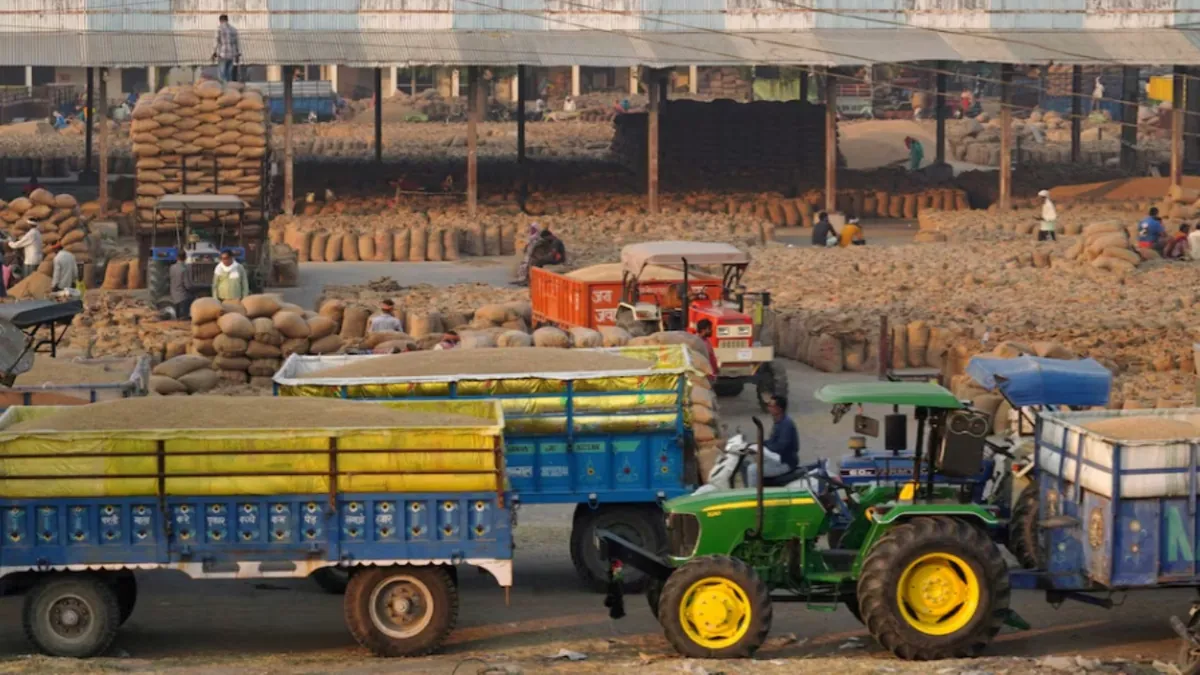
Abnormal climate adds to expectations of lower production.
Unusual extremes of weather are forecast to reduce the global rice output this year. India is experiencing a rare and severe fall in rice production during the 2026/27 crop season, recording the steepest decline in output in the last twenty years. That gives an idea of how extraordinary the situation is this year, the last time India had such a big cut in rice output being during the El Nino drought of 2009-10.
The sharp fall in output is mainly due to a severe shortage of monsoon rains all over the country. Rice production is highly dependent on the regularity of monsoon rains, especially during the critical period of ripening and grain filling. Lack of enough rainfall has affected the growth and development of rice a lot and there has been a large decline in total crop production.
In total, India's monsoon rains are 15% below normal this year, which may not sound like much on a national scale. But the main grain-producing areas, which account for the bulk of the country's rice, are facing a very serious water shortage. Rainfall has fallen by as much as 42% compared with normal years in some southern and eastern rice-growing regions, creating harsh growing conditions for rice crops.
Industry estimates suggest that rice production in India will fall 10 million tons year-on-year this season, down 6.5% in output terms. India's major cut in production is a definite positive for the global rice futures market as it is one of the largest rice producer and exporter in the world. This significant output decline has directly strengthened market bullish expectations and become a key factor driving changes in global rice futures prices.
Winter-sown rice still faces the risk of decline.
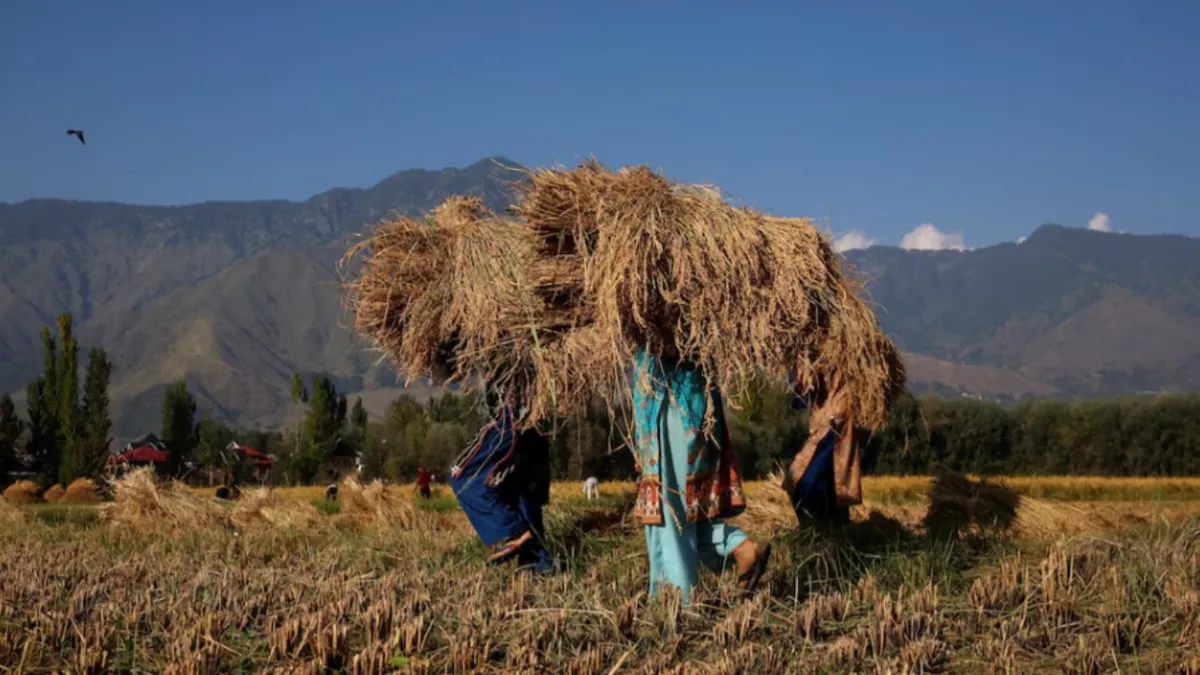
Currently, the market pricing mainly reflects the reduced production of summer-sown rice. Traders pointed out that the overall water storage in Indian reservoirs is lower than the average level of previous years, and the insufficient water resources reserves will affect the planting arrangements for winter-sown rice. Although winter-sown rice accounts for a relatively small proportion, it can supplement the market supply in the first half of the year. If the planting area for winter-sown rice also declines, it will provide a reason for the continuous rise in rice prices. As the expectation of reduced production spreads, the local rice spot prices continue to rise, and the export quotations have climbed to the highest level in more than a year.
The extremely high inventory has limited the increase in rice prices.
Unlike the extreme situation in previous years where both reduced production and low inventory occurred simultaneously, this year India has an abundant inventory reserve. As of the beginning of September, India's total rice inventory, including rice, reached 596 million tons, setting a new record high. The huge inventory reserve means that India does not need to introduce export restrictions. Even if the production this season declines, it can still rely on the inventory to maintain a stable export volume and ensure the circulation of global rice trade.
As the world's largest rice producer and exporter, India's supply and demand changes dominate the global rice price trend. After India's export quotations rose, Thailand, Vietnam and other exporting countries also raised their prices, and the global rice trade prices collectively rose. The global rice market as a whole has entered a period of supply and demand imbalance. The existence of a large amount of inventory in India has avoided an extreme shortage of global rice supply, allowing rice prices to maintain a moderate upward trend.
At present, the logic of the rice futures market is very clear. Bulls are betting on positive fundamentals like reduced production due to weather conditions, reduced planting area, rising spot prices and global price hikes. The bears are relying on hedging factors like high inventories on a historical basis, stable exports and no trade restrictions. Expectations of reduced production have slowly materialized and spot prices have risen in the short term. Market sentiment is positive. The beneficial effect of inventory is slow to realize and is more of a long-term restraint, so it is difficult to change the market trend in the short term.